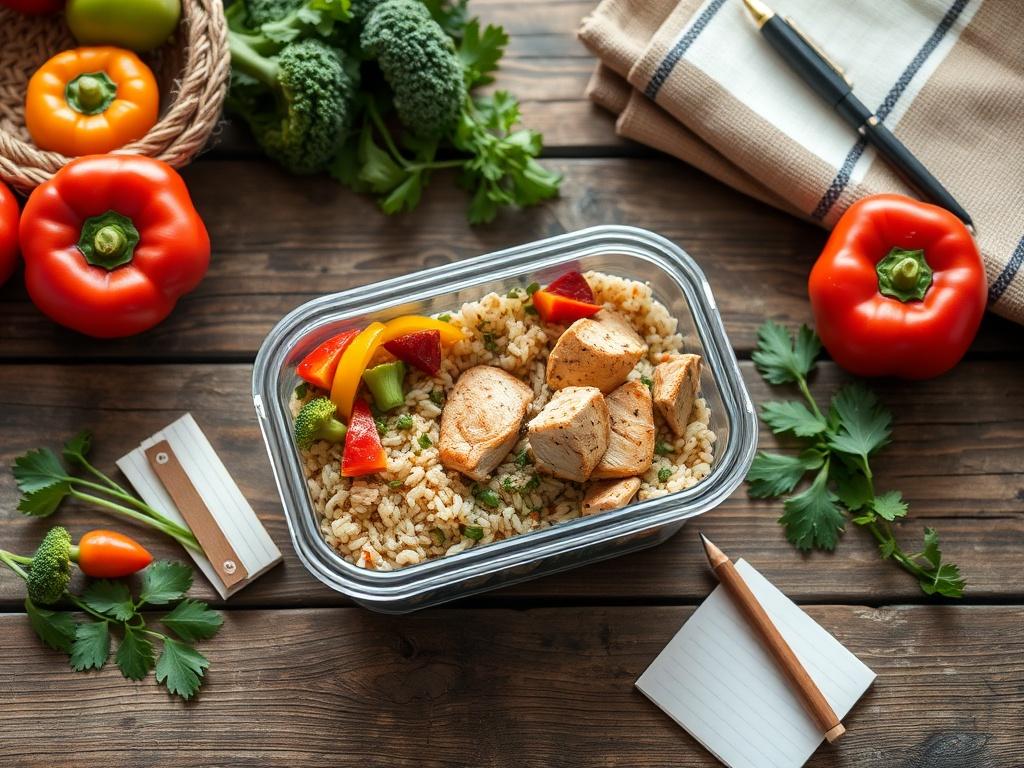
Meal planning is an essential skill that can save you time, reduce stress, and help you eat healthier. However, many people shy away from it because they believe it’s too expensive. The truth is, with the right strategies and a bit of creativity, you can build meal plans on a budget that are both satisfying and nutritious. In this blog post, we’ll share the Top 5 tips on building meal plans on a budget, ensuring you enjoy fantastic meals without breaking the bank.
Incorporating these tips into your routine will not only help you save money but also encourage you to make the most of seasonal ingredients and local produce. From understanding the basics of budget-friendly meal planning to discovering creative strategies for saving while meal prepping, our guide will inspire you to embrace the art of meal planning. Plus, we’ll include delicious and affordable recipe ideas that will elevate your meal plan and keep your taste buds happy. Let’s dive into this journey of smart, economical eating!
Understanding the basics of budget-friendly meal planning
Building meal plans on a budget starts with understanding your food needs and preferences. Assess what meals you and your family enjoy, as well as any dietary restrictions. This knowledge allows you to create a focused shopping list that prevents impulse buys and reduces food waste. Keep an eye on seasonal produce and local sales; using these ingredients not only adds variety to your meals but also saves money. Establishing a weekly rhythm can help you stay organized, making the entire meal planning process less overwhelming.
Once you know what meals to include in your budget-friendly meal plans, consider portion sizes and leftovers. Planning meals that can be made in batches enables you to utilize your resources efficiently. Repeating ingredients across different meals maximizes your shopping budget while reducing the number of items on your grocery list. By being mindful of your meal prep and incorporating smart shopping habits, you will create satisfying and economical meal plans that fit your lifestyle.
Creative strategies for saving while meal prepping
When it comes to meal prepping on a budget, creativity unlocks numerous possibilities. Start by exploring the concept of batch cooking. Prepare large quantities of versatile ingredients, such as grains, proteins, and roasted vegetables, that can be easily mixed and matched throughout the week. This approach not only saves time but also encourages you to use what's already in your pantry, minimizing waste. Try to use seasonal produce, as it's typically cheaper and at its peak freshness. Don’t overlook local farmer's markets, which can often provide great deals, especially on bulk purchases.
Additionally, make a habit of planning your meals around weekly grocery store sales and discounts. Check store flyers or websites before you make your shopping list. If chicken is on sale, for example, consider using it as the centerpiece for multiple meals, such as stir-fries, salads, or wraps. Incorporating legumes and beans into your meal plan also helps stretch your budget, as they are both inexpensive and nutritious. By implementing these strategies, you can optimize your meal prepping efforts while keeping your wallet happy.
Delicious and affordable recipe ideas to elevate your meal plan
Crafting a budget-friendly meal plan doesn't mean sacrificing flavor or variety. Start by incorporating versatile staples like rice, beans, and seasonal vegetables into your dishes. For example, a hearty vegetable stir-fry using seasonal produce can be a quick and nutritious dinner option. Combine this with brown rice and a source of protein, such as eggs or canned tuna, for a filling meal that won’t break the bank. Additionally, consider making large batches of chili or soup that can be enjoyed throughout the week or frozen for later use. These dishes not only provide comfort and satisfaction but also allow for creativity by using whatever ingredients you have at hand.
Another fantastic way to elevate your meal plan is by exploring the world of one-pot meals. They are not only easy to prepare but also minimize cleanup, making them efficient for both time and money. Try a one-pot pasta dish, where you toss in whole wheat pasta, vegetables, and a simple sauce made from canned tomatoes and spices. Alternatively, a slow-cooked stew featuring inexpensive cuts of meat or lentils can yield mouthwatering flavors as it simmers. These recipes help you stretch your budget while nourishing your body, showcasing that eating well on a budget can indeed be both delicious and satisfying.